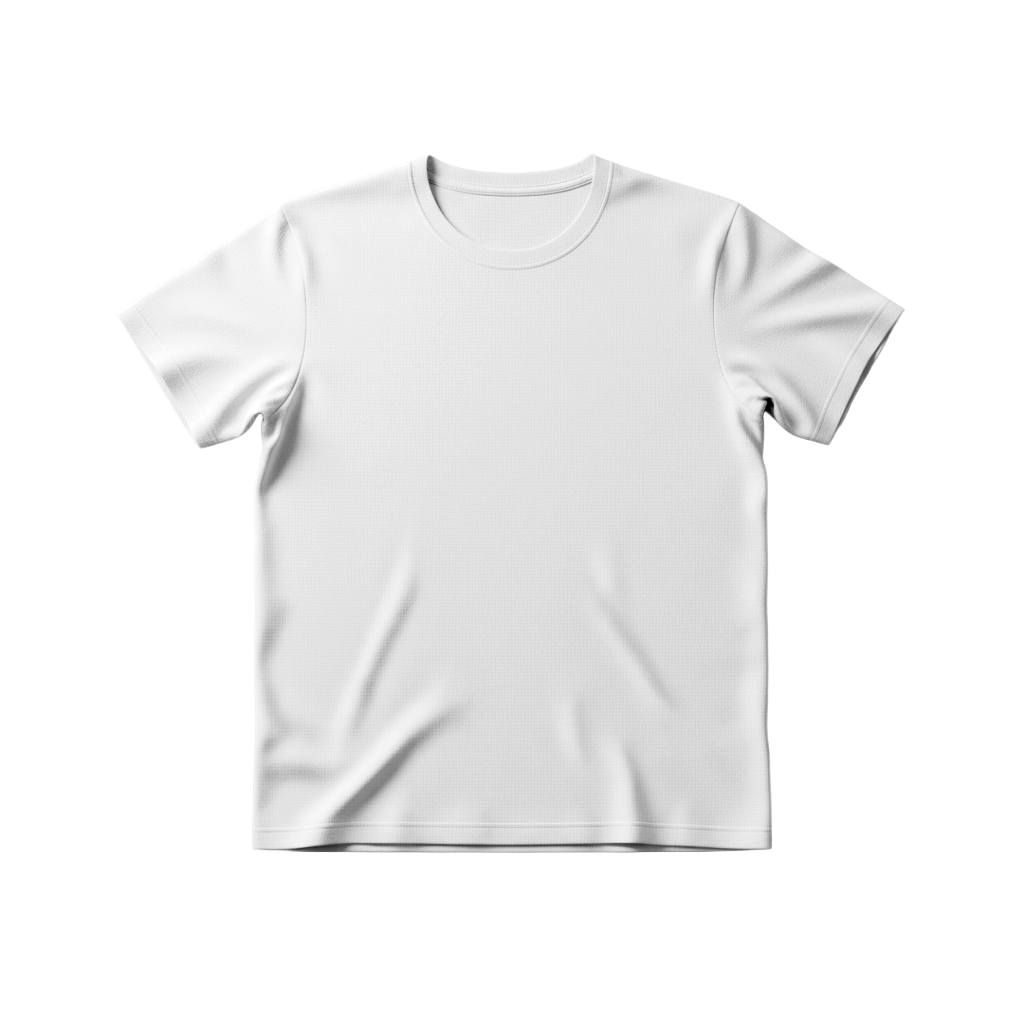
Budget vs Premium Event T-Shirts: True Cost Over Time
You're planning your conference and comparing t-shirt quotes. One supplier offers shirts at one price point. Another quotes significantly higher. The temptation is obvious: save money per shirt, multiply by attendees, pocket the difference.But that math only works if both options deliver the same result. They don't.

Understanding Fabric Quality Differences
The gap between budget and premium shirts comes from tangible construction differences, not just branding.
Standard promotional t-shirts use cost-saving manufacturing methods that reduce production expense:
Gildan 5000:
- Open-end cotton (shorter fibers, rougher texture)
- Tubular construction (shirt body is a tube with no side seams)
- 5.3 oz fabric weight
- Standard fit with minimal shaping
Hanes Beefy-T:
- Open-end cotton with heavier 6.1 oz weight
- Tubular construction
- Thicker feel but still rough texture
- Durable but lacks refined finish
Fruit of the Loom HD Cotton:
- High-density cotton yarn (better than standard open-end)
- Tubular construction
- 5 oz weight
- Improved softness over basic Gildan
These shirts work fine for their purpose: cost-effective promotional giveaways where quantity matters more than individual garment quality. They're the industry workhorses for a reason.
Premium shirts use manufacturing methods that dramatically improve wear experience:
What we source for premium quality:
- Ring-spun combed cotton (longer fibers, softer texture)
- 180+ GSM fabric weight (approximately 5.3 oz but denser weave)
- Side-seamed construction (tailored fit, doesn't twist after washing)
- Reinforced shoulder and neck seams
- Pre-shrunk with minimal shrinkage after washing
- Tear-away labels for comfort

What These Differences Actually Mean
Open-end vs ring-spun cotton: Open-end cotton uses shorter fibers spun quickly, creating rougher texture and more pilling over time. Ring-spun cotton uses longer fibers twisted tighter, creating smoother fabric that maintains texture through washing.
Tubular vs side-seamed construction: Tubular shirts are manufactured as tubes, then cut for neck and sleeves. This saves production cost but creates shirts that twist around your body after washing. Side-seamed construction adds seams along the sides, creating better fit and preventing twist.
Fabric weight and density: Heavier isn't always better, but denser weaves at similar weights create more substantial feel. Our 180 GSM premium ring-spun fabric feels more substantial than standard 5.3 oz open-end cotton due to weave density and fiber quality.
These aren't subtle differences. People notice quality immediately when they first touch the shirt.
How People Actually Use Budget vs Premium Shirts
Regardless of whether you're creating event merchandise, team uniforms, club apparel, or company shirts, user behavior follows predictable patterns.
Budget Promotional Shirt Lifecycle
Standard promotional apparel follows the same trajectory across all contexts:
Week 1: Recipients receive shirt, wear it initially or bring it home. Rough texture is noticeable but acceptable as free promotional item.
Week 2-4: Shirt gets relegated to "around the house" wear. Too rough for daily wardrobe, becomes sleep shirt or cleaning clothes. Team members, club participants, or employees avoid wearing it outside required contexts.
Month 2-3: After several washes, fabric pills noticeably. Tubular construction causes visible twisting. Shirt moves to bottom of drawer regardless of original purpose.
Month 4-6: Donation bag or becomes actual cleaning rag.
The shirt served its immediate purpose—identifying participants, creating team unity, marking event attendance—but stopped representing your brand or organization within weeks.
Premium Promotional Shirt Lifecycle
Quality construction changes the trajectory across all applications:
Week 1: Recipients receive shirt, immediately notice soft fabric. Many wear it beyond required contexts—athletes wear team shirts casually, club members choose organizational apparel for everyday wear, employees voluntarily sport company gear.
Week 2-4: Shirt enters regular rotation. Soft ring-spun cotton makes it comfortable for daily wear. Side-seamed fit looks intentional, not promotional.
Month 2-6: Fabric maintains softness through washing. No pilling or significant fading. Still looks intentional across contexts—team pride, organizational belonging, company identification.
Month 6-12+: Becomes favorite casual shirt. Your brand, team, club, or company visible every time they wear it to coffee shops, gyms, weekend errands.
The extended wear life multiplies brand impressions exponentially. One person wearing your premium shirt once weekly for a year creates 50+ visibility touchpoints versus 5-10 for budget options.
Real Usage Data Across Applications
Organizations testing both approaches report consistent patterns:
Budget shirts: 60-70% abandon them within 30 days across all contexts—event attendees leave them at hotels, team members relegate them to practice-only wear, club participants avoid wearing them socially, employees keep them in desk drawers.
Premium shirts: 75-85% report wearing them regularly months later. Social media posts showing people wearing organizational apparel appear 4-6x more frequently with premium options—whether it's conference shirts, team gear, club merchandise, or company apparel.
Brand Perception Impact
Your choice of apparel quality communicates organizational values whether you intend it or not.
What Budget Promotional Apparel Signals
Standard promotional shirts positioned as giveaways set specific expectations:
Recipients recognize commodity promotional apparel immediately. The rough texture, tubular construction, and generic fit identify these as bulk promotional items, not thoughtful branded merchandise.
This creates perception challenges across contexts:
Events: A professional conference with significant registration fees handing out rough budget shirts creates cognitive dissonance. The merchandise quality doesn't match the event quality.
Businesses: Companies with premium service offerings distributing budget apparel to employees signal budget operations regardless of actual quality.
Teams: Sports programs charging registration fees then providing rough practice shirts suggest the program doesn't invest in participants.
Clubs: Organizations asking for dues then distributing low-quality member apparel signal that member investment doesn't translate to quality benefits.
Studio Mohar clients across sectors—conferences, sports teams, school programs, businesses, and clubs—report recipients specifically commenting on quality improvements. Several organizers noted that premium upgrades generated more positive feedback than other improvements that cost significantly more.
True Cost Analysis
Let's examine real numbers for a 200-person application (works for events, teams, clubs, or businesses).
Budget Promotional Approach
Upfront Investment:
- Standard promotional blank + single-color printing
- 200 shirts at lower per-unit rate
Hidden Costs:
- 30% abandon shirts: 60 units wasted
- Minimal ongoing visibility (2-3 wears average)
- Perception mismatch for quality-focused organizations
- Need replacement items for recipients who won't wear rough fabric
Visibility Generated: 200 recipients × 3 wears average = 600 impressions over 3 months
Premium Approach
Upfront Investment:
- Premium ring-spun blank + professional decoration
- 200 shirts at higher per-unit rate
Value Additions:
- 5% abandonment rate: Only 10 units wasted
- Extended wear (20+ wears average over 12 months)
- Quality alignment with organizational positioning
- Recipients request additional shirts to purchase
Visibility Generated: 200 recipients × 20 wears average = 4,000 impressions over 12 months
The ROI Shift
Premium costs more upfront but delivers 6.6x more impressions at significantly lower cost per impression.
This assumes conservative wear estimates. Many organizations report premium shirts generating 30-50 wears over 18+ months.
The break-even analysis is straightforward: if even 40% of recipients wear premium shirts 10+ times (vs 3 times for budget), the premium investment generates better ROI.
When Budget Options Make Sense
Premium isn't always the answer. Some situations genuinely benefit from budget promotional apparel:
High-volume giveaways where merchandise is secondary: Large festivals or events with thousands of attendees where shirts are just one of many items. Volume matters more than individual quality.
Internal operational use: Volunteer identification for one-day events. Staff shirts for setup/teardown crews. Situations where functional identification matters more than brand building.
Testing new designs before committing to premium: Small initial runs to gauge design appeal before ordering premium versions for broader distribution.
Very price-sensitive contexts: Community programs where price difference determines viability.
Extremely casual positioning: Organizations intentionally positioning as budget/value options where premium merchandise would create inconsistent messaging.
The key is intentional choice aligned with actual goals, not default to lowest price assuming equivalent outcomes.
Premium Features Worth the Investment
When choosing premium apparel, specific features justify the increased investment:
Ring-spun combed cotton: Immediate softness that improves with washing. The single most noticeable quality indicator people experience.
Side-seamed construction: Better fit, no twisting after washing. Makes shirts look intentional rather than promotional.
Reinforced neck and shoulders: Prevents stretching and maintains shape. Extends garment life significantly.
Modern fits and silhouettes: Contemporary cuts that people actually want to wear. Avoids the boxy "promotional t-shirt" look.
Higher GSM/fabric density: Creates substantial feel without excessive weight. 180+ GSM in quality weaves delivers premium hand feel.
Pre-shrunk and colorfast: Minimal shrinkage and fading through washing. Maintains appearance over time.
These features separate premium options from budget alternatives.
Final Recommendation
Budget and premium apparel serve different purposes. Neither is universally right or wrong.
Budget promotional shirts work for high-volume distribution where merchandise is functional identifier rather than brand builder. They accomplish immediate goals cost-effectively.
Premium apparel works when ongoing visibility, recipient satisfaction, and organizational positioning matter. The higher upfront investment delivers significantly better ROI through extended wear and impressions.
The most expensive mistake is choosing a budget to save money without considering whether that savings costs more in lost opportunity than the premium investment would have cost.
Decision framework:
- Define goals beyond immediate distribution
- Calculate impressions per option, not just upfront pricing
- Match merchandise quality to overall quality standards
- Consider offering premium as upgrade option
- Test both approaches at smaller scale if uncertain
Your apparel is a long-term investment, not a one-time expense. Choose accordingly.
Ready to see exact pricing for premium apparel? Our calculator shows real pricing for ring-spun cotton, side-seamed construction, and professional decoration methods.
Discuss Your Apparel Strategy → https://studiomohar.ca/contact_sales/
Every great shirt starts with "what if..."
What if your logo looked that good on a hoodie? What if your inside joke became your team uniform? What if premium quality didn't mean premium hassle? Try our design studio and find out. Choose, customize, order. We handle the rest
Start Your What If!